

So you're ready to be your own boss, run your own rig, and finally keep the lion's share of what you earn. That's the dream, right? But if you're learning how to start a trucking company owner operator style in 2026, you're walking into a totally different landscape than drivers faced even two years ago.
The good news? There's still plenty of freight to haul and money to make. The reality check? The compliance hoops are tighter, the paperwork is thicker, and one missed filing can shut you down before you even get rolling.
Let's break down exactly what you need to know to launch your trucking business the right way this year, without the expensive mistakes that sink most new owner-operators in their first 12 months.
The 2026 Compliance Reality: It's Not Your Dad's Trucking Industry
If you've been driving for someone else and think you've got a handle on compliance, buckle up. Running your own authority means you're responsible for everything the FMCSA throws at you, and January 2026 brought some hefty updates.
Here's what changed:
- Tighter USDOT regulations around safety monitoring
- New broker transparency rules that affect how you get paid
- Updated CDL and medical certification requirements with stricter timelines
- ELD mandate enforcement that's more aggressive than ever
- Environmental compliance standards in certain states (looking at you, California)
Miss a Biennial Update? That's an out-of-service order. Forget to renew your UCR on time? Your authority gets flagged. One data entry error on your IFTA filing? Welcome to audit town.
This isn't meant to scare you, it's meant to wake you up. Most owner-operators who fail do so because they underestimate the administrative side of the business. The drivers who succeed? They either become compliance nerds themselves, or they bring in a trucking business consultant who already speaks fluent FMCSA.
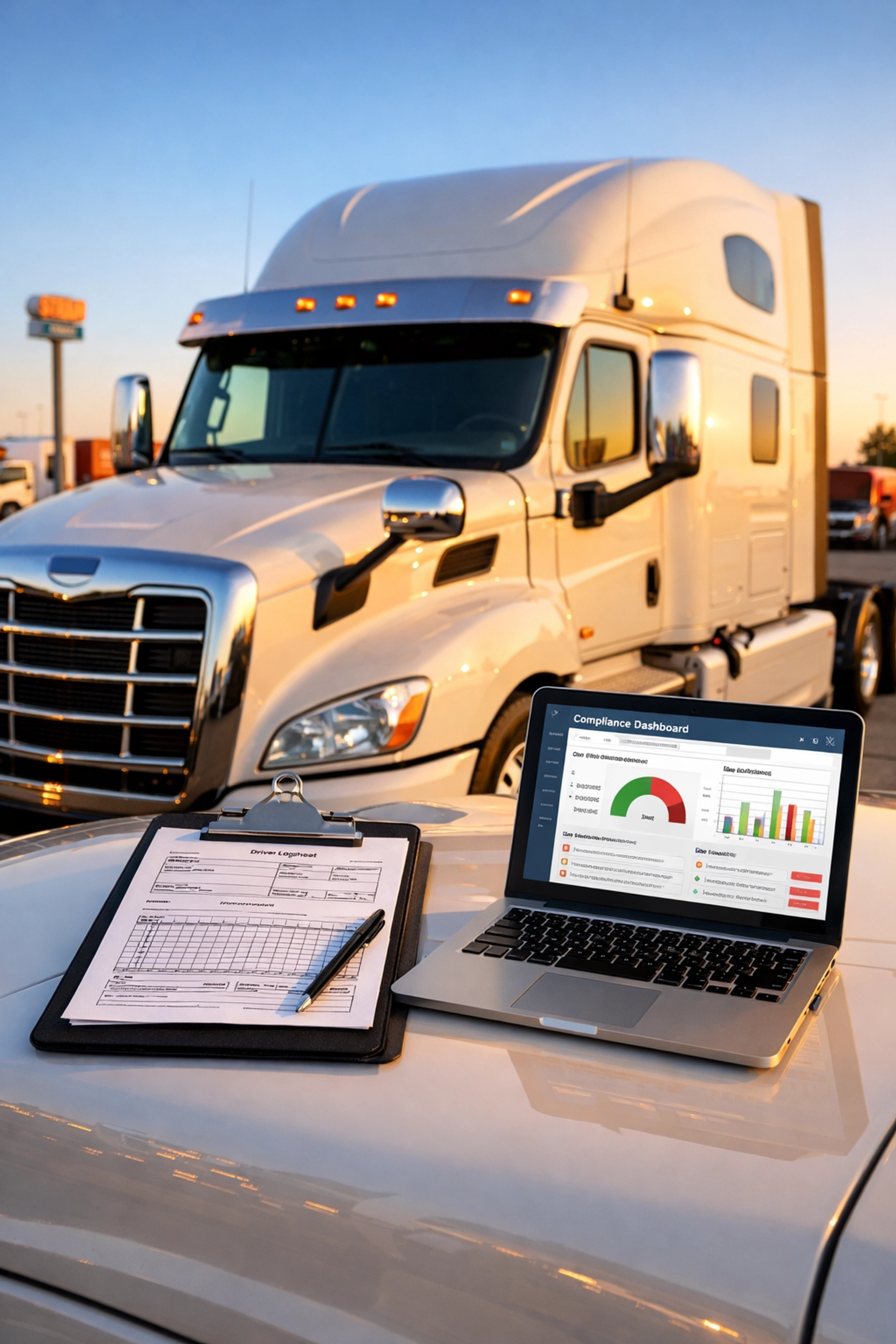
Step 1: Get Your CDL and Credentials Lined Up
You can't haul freight legally without a Commercial Driver's License, but in 2026, that's just the start of your paperwork journey. Here's the essential checklist:
Your CDL: If you don't have one yet, expect the process to take several weeks to a few months. You'll need to pass a written knowledge test and a skills test covering pre-trip inspection, basic vehicle controls, and on-road driving. Private truck driving schools and company-sponsored programs both work, just make sure you're learning current 2026 standards.
USDOT Number: This is your federal registration. You can't operate commercially without it, and it's tied to every compliance action you'll ever take.
MC Authority and DOT Authority: These let you legally haul freight under your own operating authority. The application process runs through the FMCSA, and there's a waiting period before your authority goes active.
BOC-3 Filing: This designates process agents in every state where you'll operate. It's required, and yes, you need all 50 states covered even if you only run regionally.
Unified Carrier Registration (UCR): This is your annual federal registration fee based on fleet size. Miss the deadline and you're operating illegally.
IFTA (International Fuel Tax Agreement): Required for tracking and reporting fuel taxes across states. Get this wrong and you'll owe back taxes plus penalties.
Sound overwhelming? That's because it is: especially when you're trying to focus on actually driving and earning. This is exactly why experienced owner-operators invest in trucking business management services from day one.
Step 2: Build Your Business Foundation (The Boring Stuff That Saves Your Butt Later)
Before you buy that first truck, you need a legitimate business structure. Here's what that looks like:
Choose Your Legal Structure: Most owner-operators go with an LLC because it protects your personal assets if something goes sideways. Corporations work too, but they're more complex. Sole proprietorship? That's the easiest to set up but offers zero liability protection: not worth the risk in trucking.
Register Your Business Name and Get an EIN: Your EIN (Employer Identification Number) from the IRS is like a social security number for your business. You'll need it to open bank accounts, file taxes, and apply for authority.
Create a Real Business Plan: Not the kind you write to impress a bank: the kind you actually use. Include your target market, projected revenue, compliance strategy, equipment maintenance schedule, and cash flow projections for at least the first year. This becomes your roadmap when things get tough (and they will).
Set Up Separate Business Banking: Never, ever mix personal and business money. Open a dedicated business checking account and run every dollar through it. This makes tax time easier and protects you in case of an audit.
Establish Your Recordkeeping System: From receipts to fuel logs to maintenance records, you'll be drowning in paperwork. Set up digital systems now: whether that's QuickBooks, a trucking-specific software, or a management service that handles it for you.

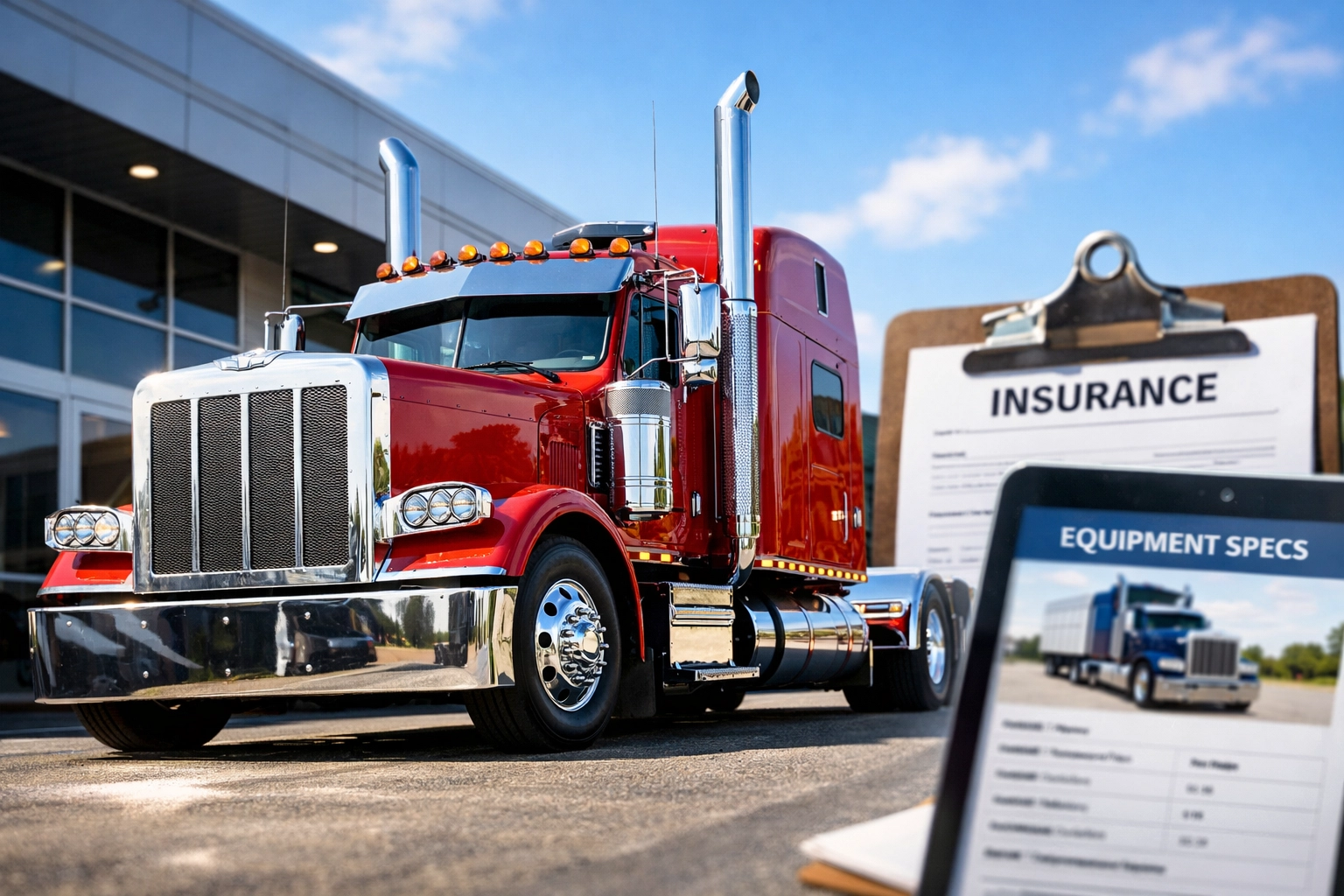
Step 3: Equipment and Insurance: Don't Cheap Out Here
Your truck is your moneymaker, so choose wisely. New versus used? There's no one right answer, but here's what matters:
- Fuel efficiency: Every MPG counts when diesel prices swing
- Maintenance history: A cheap truck with hidden problems will cost you triple in downtime
- Trailer type: Dry van, reefer, flatbed, or box truck? Match your equipment to the freight you're targeting
Financing or leasing? Most new owner-operators lease initially to preserve cash flow. Just read the fine print: some lease agreements are nearly impossible to exit.
Now for insurance. This isn't optional: you cannot activate your MC authority without proof of insurance. Here's what you'll need:
- Primary liability insurance (minimum $750,000 for most freight)
- Cargo insurance (required by most shippers)
- Physical damage coverage (if you're financing equipment)
- Bobtail insurance (if you're leasing onto someone else)
Shop around, because rates vary wildly. But remember: the cheapest policy isn't always the best policy when it's time to file a claim.
Step 4: Technology and Compliance Tools You Can't Skip
Welcome to 2026, where paper logs are ancient history and noncompliance gets caught in real-time. Here's the tech you need:
Electronic Logging Device (ELD): Not negotiable. Your ELD tracks hours of service automatically, and FMCSA enforcement has zero patience for "my device malfunctioned" excuses.
GPS and Route Optimization Software: Saves fuel, avoids low bridges, and keeps you out of truck-restricted zones.
Load Board Access: TruckStop, DAT, 123Loadboard: pick your platforms and learn how to use them effectively.
Maintenance Tracking Software: Helps you stay on top of DOT inspections, oil changes, tire rotations, and all the other stuff that keeps your truck rolling and compliant.
All of this costs money upfront, but the alternative is violations, breakdowns, and lost revenue. Think of it as the cost of doing business in the modern age.
Step 5: Finding Freight and Building Revenue Streams
You've got your authority, your truck, and your compliance ducks in a row. Now what? You need loads. Here are your main avenues:
Load Boards: Great for filling empty miles, but the rates can be hit or miss. You'll be competing with thousands of other trucks.
Freight Brokers: Build relationships with solid brokers who pay on time and have consistent freight. Avoid the sketchy ones who pay net-90 or disappear after your first load.
Direct Shipper Contracts: The holy grail. Landing direct contracts with shippers means better rates and predictable freight, but it takes time and networking to break in.
Local Partnerships: Don't overlook regional manufacturers, distributors, and businesses that need regular deliveries. Being the reliable local guy can build a steady base.
The key is diversification. Don't put all your eggs in one broker's basket: spread your revenue across multiple channels so one bad relationship doesn't sink your business.
The Real Talk About Startup Costs
Let's get into numbers. Starting a trucking company in 2026 typically requires $10,000 to $30,000 upfront for:
- Permits and licensing fees
- Insurance deposits (often 2-3 months upfront)
- Equipment down payment or lease deposit
- Initial fuel and operating expenses
- Compliance software subscriptions
- Reserve fund for unexpected costs
Most financial advisors recommend having six months of operating expenses saved before you launch. That might sound impossible, but it's the difference between surviving the inevitable slow months and shutting down in year one.
If you're undercapitalized, you're not ready yet. Keep driving for someone else, save aggressively, and launch when you're financially stable.
How a Trucking Business Consultant Helps You Avoid Expensive Mistakes
Here's the truth that'll save you tens of thousands of dollars: you don't know what you don't know.
You might be the best driver on the road, but that doesn't mean you understand tax strategy, compliance deadlines, cash flow management, or how to structure your business for growth. A trucking business consultant brings the expertise you don't have: yet.
At The Trucker Consultant, we specialize in helping owner-operators navigate the compliance maze and build sustainable businesses. Our Start Your Trucking Company from Start to Finish service walks you through every filing, every deadline, and every decision point so you launch correctly the first time.
Think of it this way: would you rather pay a consultant a few hundred dollars now to set things up right, or pay the FMCSA thousands in fines later for mistakes you didn't know you were making? The math is pretty simple.
Your Next Steps
Starting a trucking company owner operator style in 2026 is absolutely doable: but only if you respect the process and take compliance seriously from day one.
Here's your action plan:
- Get your CDL if you don't have one already
- Research and choose your business structure
- Create a detailed business plan with realistic financial projections
- Secure financing or save for your startup costs
- Line up your insurance before you apply for authority
- File for your USDOT number, MC authority, and all required permits
- Invest in the right technology and compliance tools
- Build your freight network before your first load
And most importantly? Get professional guidance. Whether that's a 1-on-1 consultation to answer your specific questions or full trucking business management services to handle the administrative headaches, investing in expert help isn't an expense: it's your insurance policy against failure.
Ready to stop driving for someone else's profit and start building your own trucking empire? Let's talk. The road's waiting, and 2026 is your year to roll.