

Let's cut through the Instagram highlight reel for a second. You've seen the posts, shiny rigs, "be your own boss" quotes, and talk about six-figure incomes. And yeah, those things can happen when you start a trucking company as an owner-operator. But what nobody's posting about? The 60% of new trucking businesses that fold within the first year because they ran out of cash before they figured out the game.
Here's the truth: starting a trucking company in 2026 isn't rocket science, but it is financial chess. One wrong move with your capital, and you're stuck with a $60,000 truck you can't afford to fuel. So let's talk real numbers, real pitfalls, and how to actually make it through Year One without selling that rig at a loss.

The Real Startup Cost (Not the Fantasy Version)
If you're wondering how to start a trucking company owner operator style without draining your life savings, here's where the rubber meets the road. You're looking at somewhere between $20,000 and $85,000 to get rolling, depending on how smart you play it.
Here's the breakdown:
The Big Stuff (Your Truck & Trailer)
- Used truck (3–5 years old): $40,000–$80,000
- Trailer: $20,000–$50,000
- GPS/tracking tech: $500–$2,000
Yes, you could finance a brand-new $150,000 Peterbilt, but that's how you end up working for the bank instead of yourself. A solid used truck in the $40,000–$60,000 range will do the job and leave you with breathing room.
The Paperwork Nobody Warns You About
- USDOT Number: $0–$300
- MC Authority: $300
- Unified Carrier Registration (UCR): $60–$500/year
- CDL fees (if you're getting yours): $50–$150
- Business entity setup (LLC, etc.): $127–$426
These aren't optional. You need them to legally haul freight, period.
Insurance (AKA Your Financial Safety Net) Annual coverage runs $8,000–$15,000 per truck. That's roughly $667–$1,250 every single month. Skip this or lowball it, and one accident will financially erase you.
Your Monthly Burn Rate: The Number That Keeps You Up at Night

Here's where most new owner-operators miscalculate. They focus on startup costs and forget about the monthly bleed that happens whether you're hauling loads or sitting idle.
Budget for these recurring hits:
- Fuel: $1,000–$2,000/month
- Maintenance & repairs: $500–$1,500/month
- Insurance: $667–$1,250/month
- Software/dispatch tools: $50–$200/month
- Permits & misc fees: ~$42/month
Total monthly burn: $2,217–$5,450
And that's before you pay yourself a dime. This is why you need 3–6 months of operating reserves sitting in the bank before you book your first load: somewhere between $6,650 and $32,700 depending on your setup.
The Money Pits That Kill Year-One Businesses
Let's talk about where new owner-operators bleed cash unnecessarily:
Money Pit #1: Buying Too Much Truck That gleaming new Kenworth at the dealer? It's a trap. You'll drop $120,000–$150,000 and immediately start losing equity. A well-maintained used truck saves you $40,000–$70,000 upfront: money that keeps the lights on during slow freight months.
Money Pit #2: Underestimating Deadhead Miles You land a great-paying load from Chicago to nowhere, Montana. Congratulations, you just spent $800 in fuel getting back to civilization with an empty trailer. Always calculate round-trip economics, not just the loaded leg.
Money Pit #3: The "I'll Handle My Own Back Office" Trap Here's where it gets sneaky. You think you're saving money doing your own:
- IFTA filings
- Quarterly tax estimates
- Mileage tracking
- Load documentation
- Compliance paperwork
Then you realize you just spent 15 hours this week on spreadsheets instead of finding loads. At $500/day earning potential, that's $900+ in lost revenue. Plus, you probably messed up your IFTA report and now you're dealing with penalties.
Money Pit #4: Cheap Insurance The $8,000/year policy seems like a lot until you cause $200,000 in damage without adequate coverage. This isn't the place to bargain hunt.
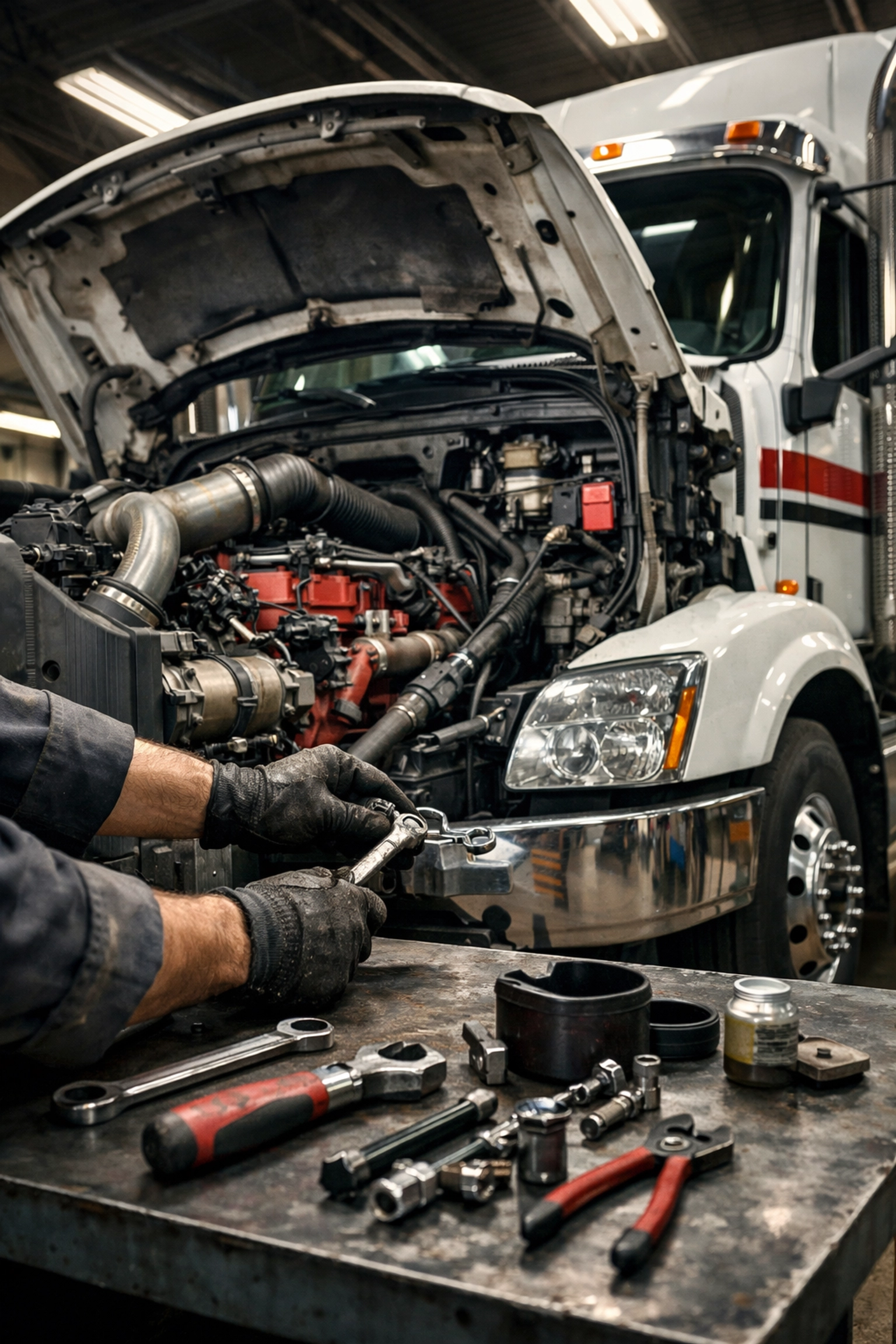
Money Pit #5: Ignoring Preventive Maintenance That $500 oil change and inspection feels expensive until you're sitting on the side of I-40 with a blown engine and a $15,000 repair bill.
Why Business Management Services Are Your Secret Weapon
Look, nobody gets into trucking because they love paperwork. You want to drive, make money, and build something. But the back-office work doesn't care about your dreams: it's relentless, complex, and one mistake can trigger audits or fines that cripple your cash flow.
This is where smart owner-operators in 2026 are making a game-changing move: outsourcing the administrative headache.

Think about it: Would you rather spend Saturday night reconciling fuel receipts, or planning next week's loads? When you hand off tasks like IFTA reporting, permit management, and compliance tracking to professionals, you're not just buying time: you're buying accuracy. And in trucking, accuracy = avoiding costly mistakes.
The math is simple. If business management services cost you $200–$500/month but save you 10–20 hours of administrative work, you just freed yourself up to book more loads or actually rest. Plus, professionals catch the compliance issues you'd miss until they became expensive problems.
Your Year-One Survival Checklist
Here's how to actually make it through those critical first 12 months:
1. Build That Cash Buffer First Don't launch with just startup capital. You need 3–6 months of monthly operating costs ($6,650–$32,700) sitting in reserve. This covers you during slow seasons, unexpected repairs, or payment delays from brokers.
2. Start With One Truck Multi-truck dreams can wait. Prove you can run one profitable rig before scaling. A single-truck operation keeps your risk manageable and your learning curve steep.
3. Know Your True Cost Per Mile Track everything: fuel, maintenance, insurance, tolls, permits. Divide by total miles. If you don't know your cost per mile, you're probably accepting loads that lose money.
4. Get Your Authority Squared Away Your MC Authority and DOT numbers aren't suggestions: they're requirements. Getting these wrong or delayed will cost you load opportunities.
5. Let Professionals Handle the Back Office Unless you love compliance paperwork more than driving, invest in trucking business management services. The hours you save and the mistakes you avoid pay for themselves fast.

6. Plan for Taxes Quarterly The IRS doesn't care that Q4 was slow. Set aside 25–30% of net profit every quarter. Miss this, and April becomes a nightmare.
7. Network With Other Owner-Operators The Facebook groups, the truck stop conversations: these matter. You'll learn which brokers pay on time, which lanes are hot, and which loads to avoid.
The Bottom Line
Learning how to start a trucking company owner operator style in 2026 comes down to financial discipline and knowing what to outsource. You can absolutely build a profitable business, but only if you respect the numbers, avoid the common money pits, and focus your energy on what makes money: hauling freight.
The owner-operators who make it aren't necessarily the best drivers: they're the best business managers. They know their costs, they protect their cash reserves, and they're smart enough to delegate the administrative burden to people who specialize in it.
Ready to get your trucking business off the ground without the back-office headache? Whether you need help with your startup paperwork or ongoing business management support, The Trucker Consultant has your back. Focus on driving: let the pros handle the rest.
Because the goal isn't just to start a trucking company. It's to still be running it in Year Two.